
Registered Charity: 1124090
Managing emotions can be one of the biggest challenges for people with ADHD. From sudden frustration to feeling overwhelmed by small setbacks, emotional regulation difficulties can impact relationships, work and self-esteem.
In this month’s article, we explore:
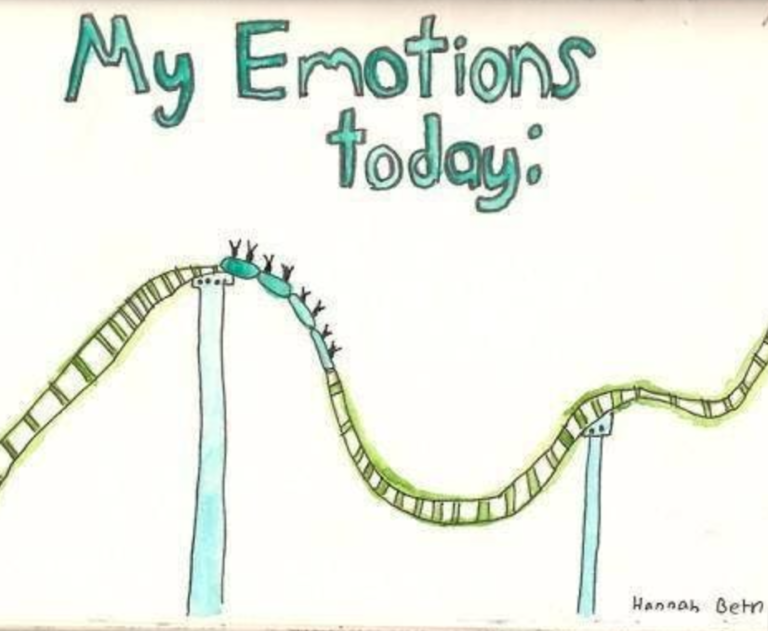
If you or your child has ADHD, you may be all too familiar with the experience of big emotions – sudden frustration, unexpected tears or overwhelming excitement that seems impossible to contain.
Emotional ups and downs can feel like a rollercoaster, often leading to frustration, misunderstandings and even guilt.
But it’s important to know that ADHD and emotional regulation challenges go hand in hand. While emotional dysregulation isn’t always talked about as much as hyperactivity or inattention, it’s one of the most common struggles for people with ADHD.
So why is it so hard to regulate emotions with ADHD? And, more importantly, what can we do to make it easier?
Emotional regulation is managed by a part of the brain called the prefrontal cortex, which is responsible for impulse control, planning and problem-solving. In people with ADHD, this area of the brain develops more slowly and functions differently, making it harder to ..
.. pause before reacting – emotions come on fast and strong, making it difficult to think before responding
.. shift out of a mood – once frustration, sadness or anger sets in, it’s tough to move on
.. regulate intensity – emotions often feel extreme, even in situations that seem minor to others
.. identify emotions in the moment – many people with ADHD struggle to name what they’re feeling until much later
This isn’t about choosing to overreact or being ‘too sensitive’ – it’s a neurological difference that makes managing emotions genuinely harder
For both children and adults with ADHD, emotional dysregulation can impact many areas of life, including:
Friendships & Relationships – Quick tempers, emotional outbursts, or difficulty expressing feelings can cause misunderstandings
School & Work – Frustration over mistakes, rejection sensitivity, or trouble handling feedback can make learning and working challenging
Self-Esteem – Many people with ADHD feel guilty for reacting emotionally or worry that they are ‘too much’ for others
But the good news is that there are strategies that can help. While emotional regulation may always be a work in progress, there are ways to build self-awareness, manage reactions and develop coping skills.

A big part of emotional regulation is learning to recognise and label emotions. When we can identify what we are feeling it becomes easier to manage.
Try this: Use a ‘feelings chart’ to check in with emotions regularly. Ask yourself or your child, “What am I feeling right now?”
When emotions feel overwhelming, taking a short pause can make a big difference. Even a five-second delay can help you regain control.
Try this: Before reacting, count backward from 5 or take three deep breaths. Encourage kids to use a phrase like, “I need a minute” before responding.
Sometimes, emotions need a safe way to be released. Having a go-to list of calming activities can help when things feel intense.
Try this: Create a ‘calm-down box’ filled with sensory tools, fidget toys, music or drawing supplies. For adults, this could be a playlist, a journal or a walk outside.
Instead of focusing on stopping an emotional reaction, redirect it with a clear action plan.
Try this: “When I feel frustrated, then I will take a walk before responding.” or “When I get overwhelmed, then I will listen to music for 5 minutes.”
Many people with ADHD have sensory sensitivities or specific triggers that make emotional regulation harder. Identifying and minimising these can help.
Try this: If noise is overwhelming, use noise-canceling headphones. If hunger leads to mood swings, keep snacks on hand. If transitions are tough, use timers and visual reminders.
Emotional dysregulation isn’t something you have to tackle alone. Therapy, coaching and ADHD-friendly mindfulness techniques can all be helpful. Most importantly, be kind to yourself – managing emotions with ADHD is a challenge, but every small step counts.
Try this: Instead of self-criticism, practice self-compassion. “I’m learning to manage my emotions, and it’s okay to struggle.”
If you or your child struggle with emotional regulation, know this: big emotions aren’t bad emotions. ADHD brains feel things deeply, and while that can be challenging, it can also be a superpower – allowing for deep empathy, passion and creativity.
The goal isn’t to eliminate emotions but to navigate them in a way that feels manageable and empowering. With the right strategies, support and understanding, emotional regulation can become easier over time.
What strategies have worked for you? Let us know in the comments or join the conversation in our ADHD Lincs community! 💙
#ADHD #EmotionalRegulation #Neurodiversity #ADHDSupport #BigFeelings #ADHDStrategies
